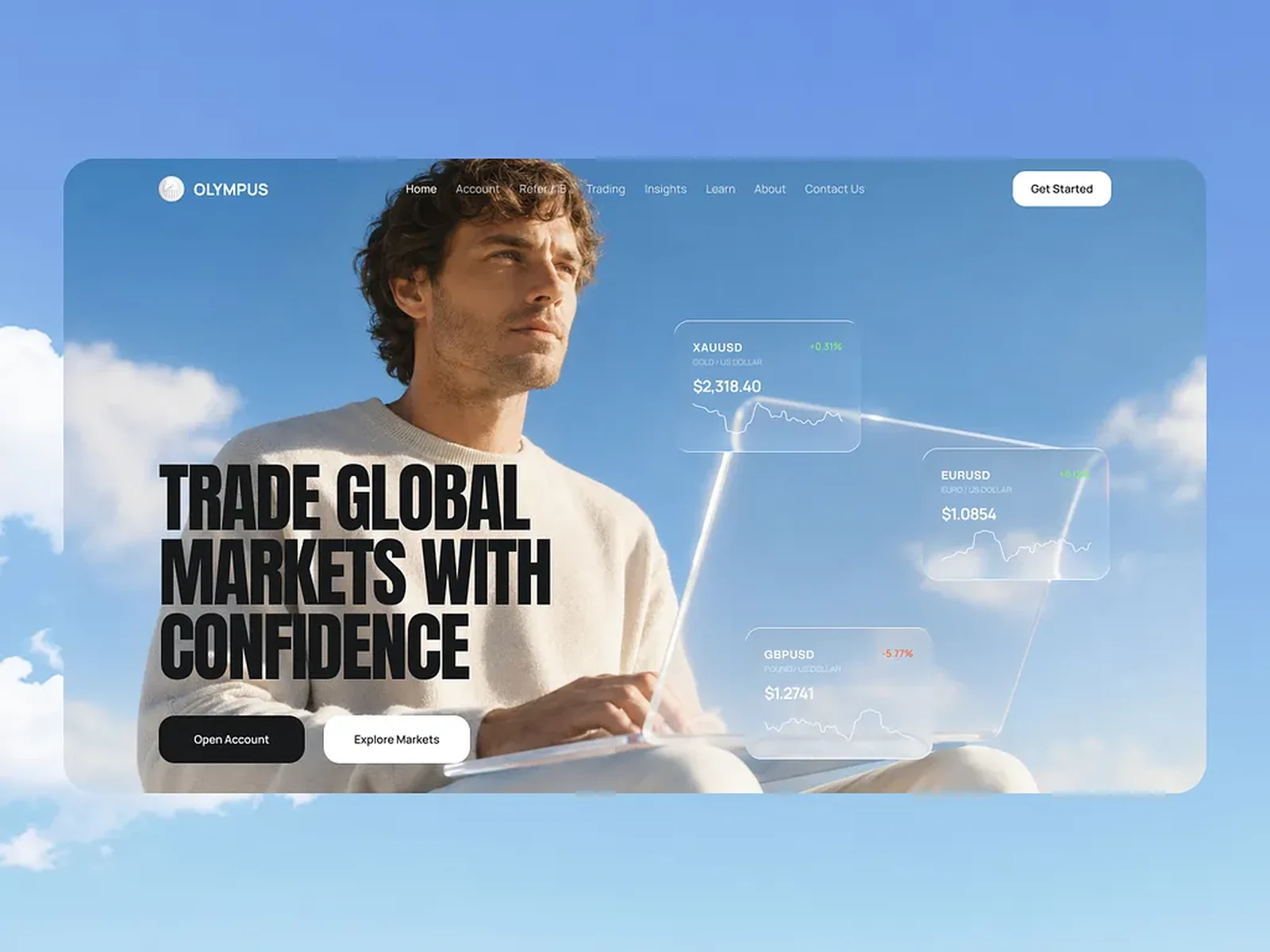

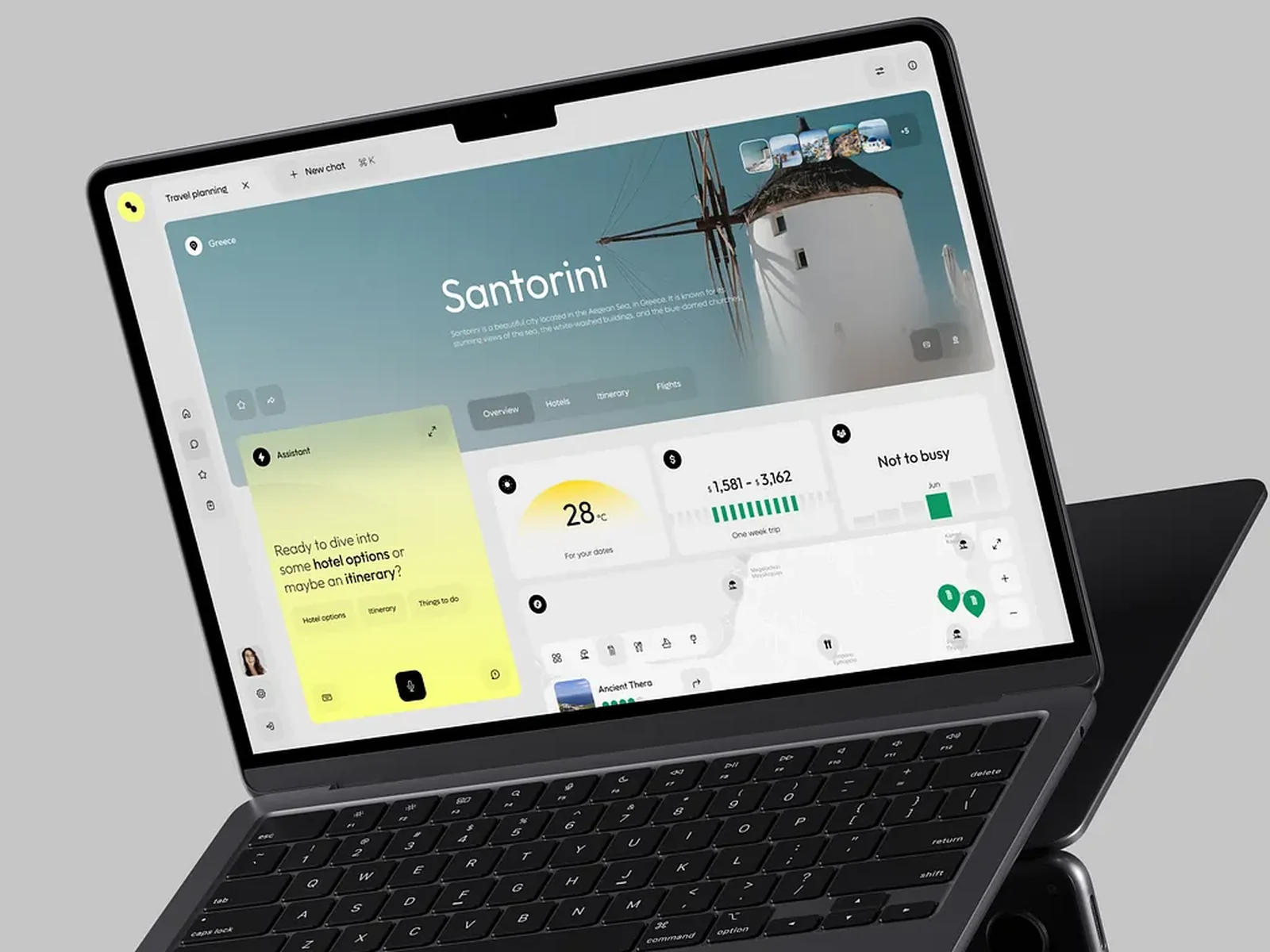
Orbit cut onboarding drop-off by 41% with a calmer money app
Clutch ★★★★★
They tailor their solutions to our specific needs and goals. The onboarding redesign paid for itself within a quarter.

Maya RaoHead of Product, Orbit
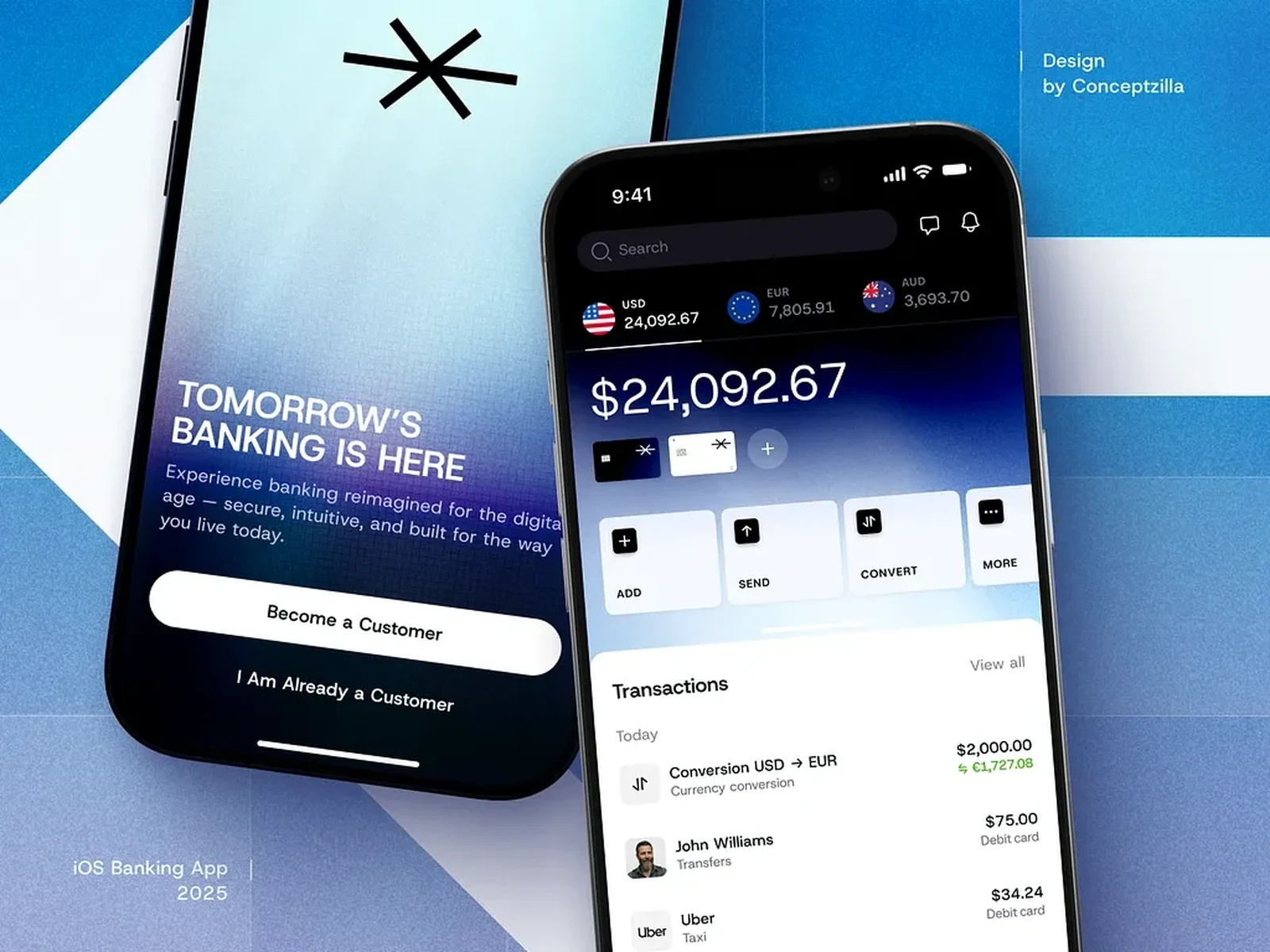
Research that answers real questions, flows built around one decision per screen, and a design system your engineers can actually ship.
Trusted by
What we fix
Eleven screens before any value. Half the signups never reach the thing they came for.
2wto a prototype real users can holdFour date pickers, three empty states, no agreement on what a primary button is.
40%fewer support tickets after the reworkThe same five tickets every week, all of them answerable by a clearer screen.
1source of truth for design and codeA 60-slide deck from last year that never turned into a single design decision.
8+usability sessions before a line shipsOverview
Software gets used by tired people in a hurry. That is the bar: not whether the interface photographs well, but whether someone can finish the task on their fourth interruption of the morning.
We research to settle the arguments that block decisions, design the flows one question at a time, and build the component system — tokens, states, motion — so that the tenth feature looks like it was always part of the plan. Then we stay through the build.
Senior designers from the first call to the last hand-off, working in your Figma and your stand-ups rather than presenting at them. Engineers are in the room while we design, so what we hand over is something your team can ship — not a prototype that has to be redesigned in code.
Sixty-plus products across fintech, AI and developer tools since 2017. Orbit cut onboarding drop-off by 41% and more than doubled accounts funded in week one; Fold’s App Store rating rose from 3.8 to 4.7.
What changes
less onboarding drop-off on a fintech app
more accounts funded in the first week
App Store rating after a redesign, up from 3.9
Need a product people can actually get through? We can help.
Book a callWhat's included
Interviews, funnel analytics and usability tests — enough to decide, not enough to stall.
Navigation, hierarchy and the naming people actually understand.
Web and native screens, accessible by default, in light and dark where it matters.
Tokens, components, states and documentation, shipped to code.
Clickable flows tested with real users before a line of production code.
We pair with your engineers or build the front end ourselves.
How it runs
Our cases
They tailor their solutions to our specific needs and goals. The onboarding redesign paid for itself within a quarter.
Verified reviews
OrbitThey tailor their solutions to our specific needs and goals.
 Marlow & Co.
They organized their work and internal management was outstanding.
 Kite
Working with them was a great experience. It's the site our investors forward.
 Verdant
Meticulous attention to detail and creative problem-solving from the first workshop.
 Northwind
The rare agency that cares as much about the handoff as the pitch.

 +You
Tell us where you are and where you want to be. We'll come back within a day with how we'd get you there.